Nonprofits
Why Nonprofits Need Photography as Proof of Work
Learn how nonprofit photography documents programs and supports donor updates, grant reports, sponsor recaps, board presentations, and annual reporting.
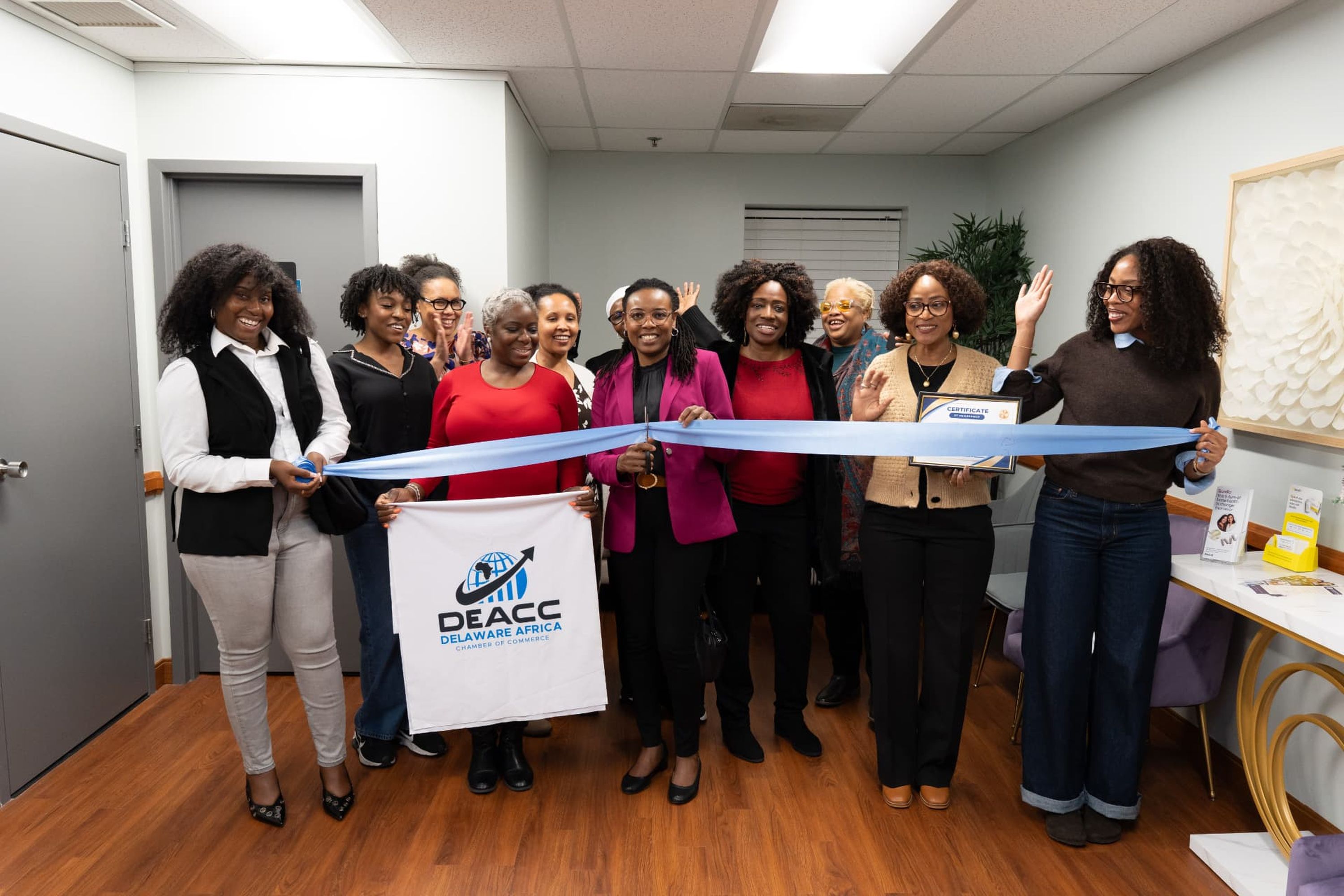
Funders are rarely looking for beautiful photographs. They are looking for evidence that the work described in the report actually happened, with the people it was meant to serve.
Proof is different from promotion
A promotional photograph may create interest. Proof-of-work photography shows the activity, people, place, and result clearly enough for someone outside the program to understand what happened.
What to document
Photograph programs in progress, staff and volunteers working, participant interaction, attendance, materials, partner visibility, and the environment. Include wide context and close details.
- Services being delivered
- Volunteers and staff at work
- Community participation
- Partner and sponsor presence
- Materials, spaces, and completed work
Grant reports need program evidence
Photograph the funded activity, the location, the materials, and the people delivering and receiving the service. A reviewer who was never in the room should be able to see how the program was carried out.
Donor communications need context
A close portrait can be powerful, but on its own it may not explain the work. Pair people with wider scenes and details that show what the support made possible.
Sponsors need visible support
Capture logos, donated products, sponsored areas, representatives, and attendees interacting with the supported activity. Review sponsorship promises before the event so nothing is missed.
Boards, annual reports, and fundraising
Board presentations and fundraising appeals usually rely on a small number of photographs, so the gallery needs clear summaries of turnout, program quality, community participation, and partner involvement. Annual reports have their own layout requirements and are worth planning separately.
Consent and dignity come first
Consent, program rules, minors, health information, and sensitive circumstances require clear planning. Decide who may be photographed, how permission is recorded, and which moments should remain private. Clear consent also tells communications teams which files are safe to publish.
Write the photo brief from the program goals
List what the organization promised to deliver and what evidence funders and partners will need. Then plan photographs that show that work without staging or exaggerating it.
Consent comes first
Decide before the shoot who may be photographed, who may not, and how people will be told. A strong image you are not permitted to publish helps nobody, and getting this wrong costs far more than a missed frame.
Related guide: How Nonprofits Can Use Photography in Annual Reports.
Related guide: What Companies Actually Use Event Photos For.