Planning Guides
Corporate Event Photography and Video in Baltimore
Plan corporate event photography and video in Baltimore for waterfront venues, hotels, universities, nonprofits, healthcare programs, and conferences.
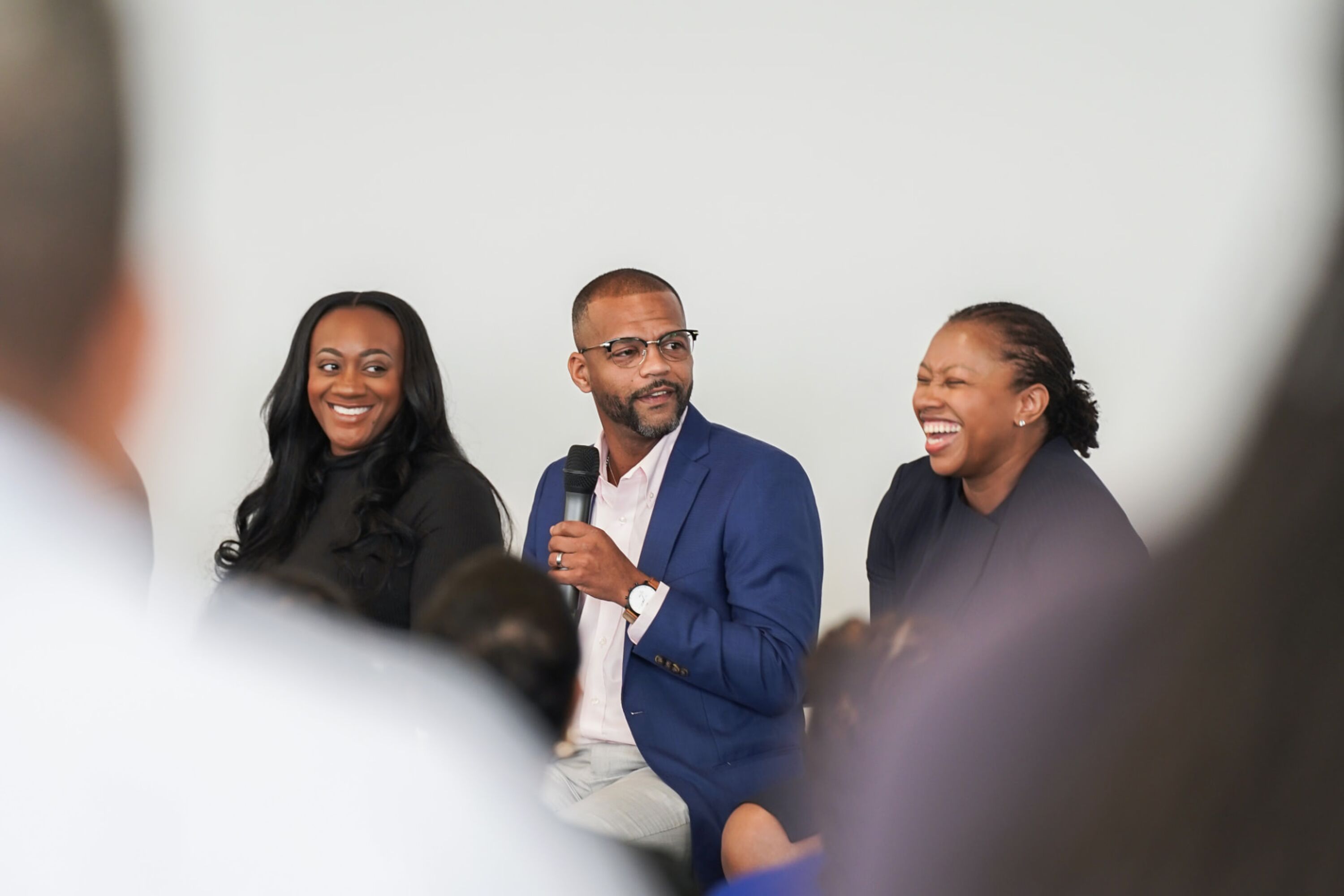
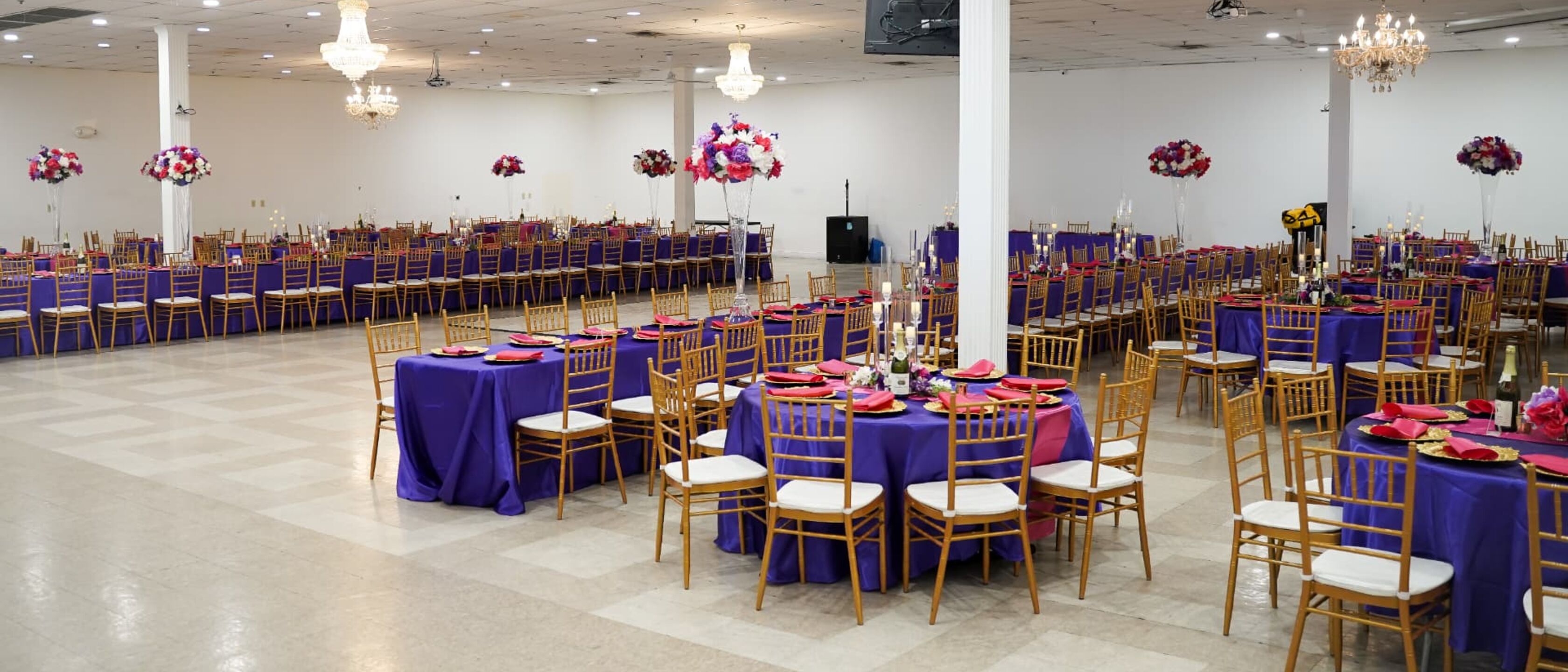
A Baltimore event may keep everyone in one hotel ballroom, spread sessions across several floors, or move guests from a daytime program to an evening reception. The coverage plan has to follow that movement. A photographer or video team cannot document two rooms, a sponsor area, and arrivals at the same time unless those overlaps are identified before the event.
Start with the kind of event Baltimore is hosting
Corporate meetings, association conferences, university programs, nonprofit events, and awards dinners do not need the same record. A conference may depend on breakout rooms and sponsor activity. A nonprofit event may place more weight on guests, honorees, community partners, and donor use. A university program may involve several buildings or restricted areas. Name the job the photos and video need to do before deciding how much coverage to book.
Map the event, not just the address
Downtown hotels and conference-style properties can look simple on an agenda while requiring real travel between a loading area, registration floor, ballroom, breakout rooms, and reception. Waterfront or event-district plans may add an outdoor segment or a second nearby location. Share room names, floor numbers, access instructions, parking or load-in notes, and realistic travel time between spaces.
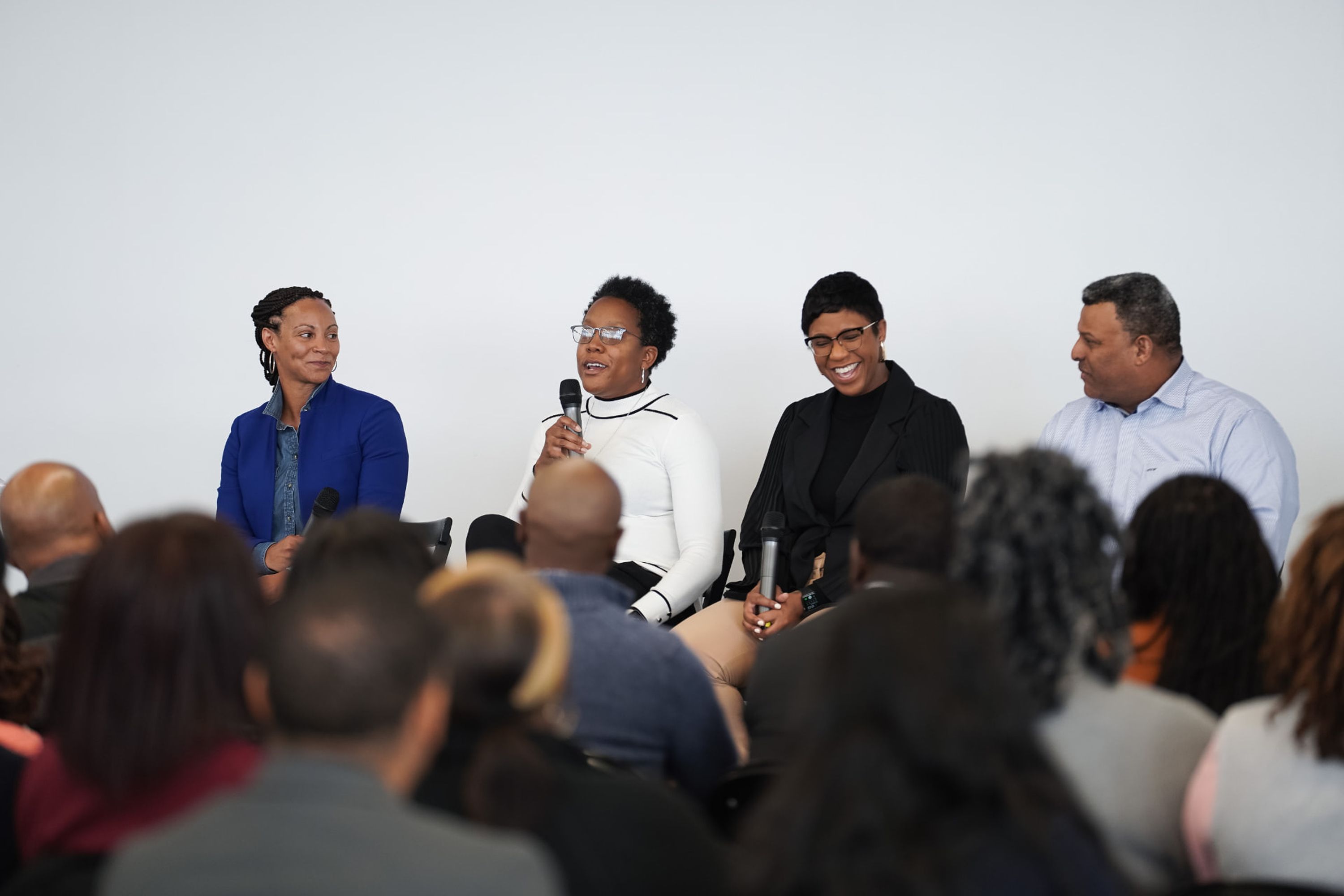
Find the hours where coverage collides
The hardest hour is often not the keynote. It is the period when a breakout continues, executives meet backstage, sponsors expect booth coverage, and the reception opens somewhere else. Mark those conflicts on the run of show. One person may be enough for a single-room program; simultaneous priorities may require another photographer or a separate video operator.
Protect the moments that cannot be repeated
Speaker portraits can sometimes be made before or after a session. A live award, audience reaction, ribbon cutting, or brief sponsor presentation happens once. Give those moments names and times, and provide an on-site contact who can identify people the media team would not know by sight.
Plan photo and video as different jobs
Photography can move quickly between a stage, audience, and reception. Video needs stable positions, usable sound, and enough continuous footage to build an edit. If the assignment includes interviews or full-session recordings, reserve time and space for them instead of adding them to a general request for event coverage.
Decide what must leave Baltimore first
A press image, sponsor recap, speaker file, and next-day social post may be due before the full gallery or video is ready. Set those priorities in advance. The crew can then capture, label, and send the right material while the event is still useful to communications teams.
A useful booking test
Before hiring coverage, look at the busiest 30 minutes of the schedule. If one person cannot physically reach every required room and still capture the audience, brand, and transitions around the program, the plan needs another person or fewer priorities. That test is more useful than choosing coverage by guest count alone.
Related guide: How Many Photographers Does a Conference Need?.
Related guide: What to Include in a Corporate Event Photography Brief.
Related service: Kimo & Co. services.