Corporate Events
What Should Be Photographed at a Corporate Event?
A practical corporate event photography checklist covering speakers, audience reactions, networking, branding, sponsors, details, and room scale.
Ask ten people what should be photographed at a company event and most of them will say everything. Everything is not a plan, and it is the quickest route to two thousand photos that nobody on the marketing team can use.
Start with how the photographs will be used
Corporate event photography is not only a record of who stood on stage. Marketing, communications, recruiting, leadership, and sponsorship teams may all use the gallery. Their needs should shape the shot list before doors open.
A press release may need a clean speaker frame. A sponsor report needs logos in context. Next year's event page needs wide rooms, full seats, and people interacting. One event can produce all of these when the uses are named early.
Photograph the full program
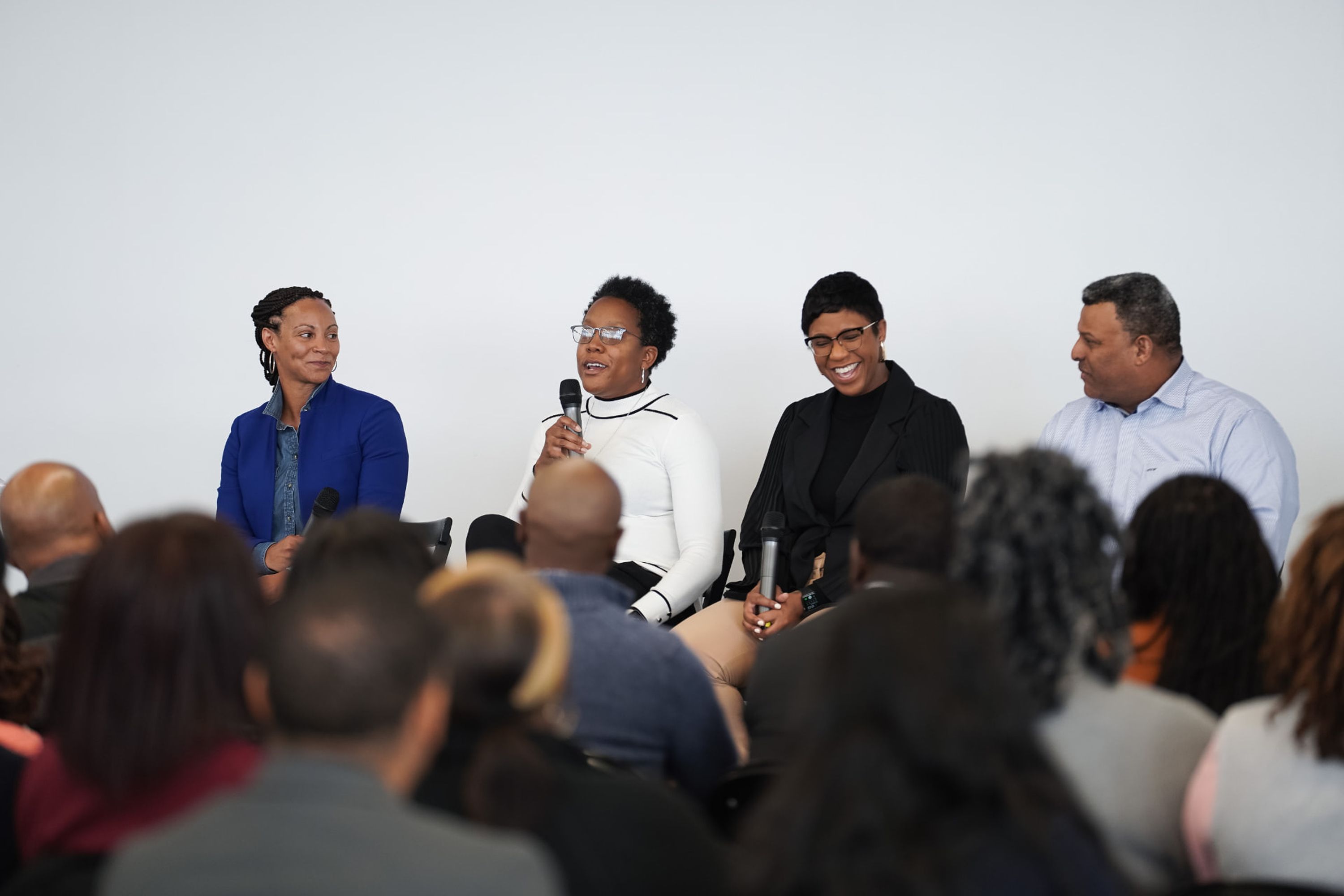
The schedule is the first checklist. Keynotes, panels, workshops, awards, announcements, and demonstrations all matter for different reasons. Include wide, medium, and close photographs so the same moment works in a report, website banner, or social post.
- Opening and closing sessions
- Key speakers and panelists
- Awards and recognition
- Breakouts, workshops, and product demonstrations
Show the audience and the room
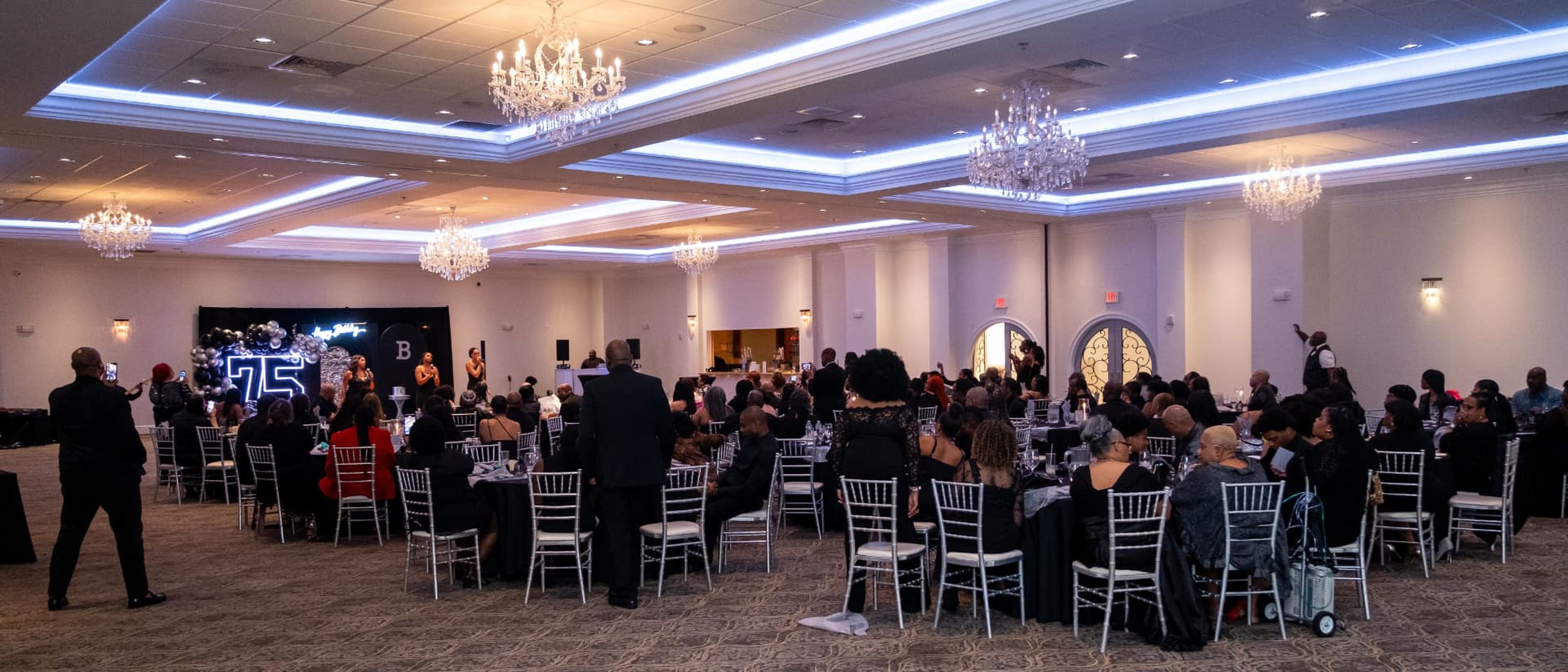
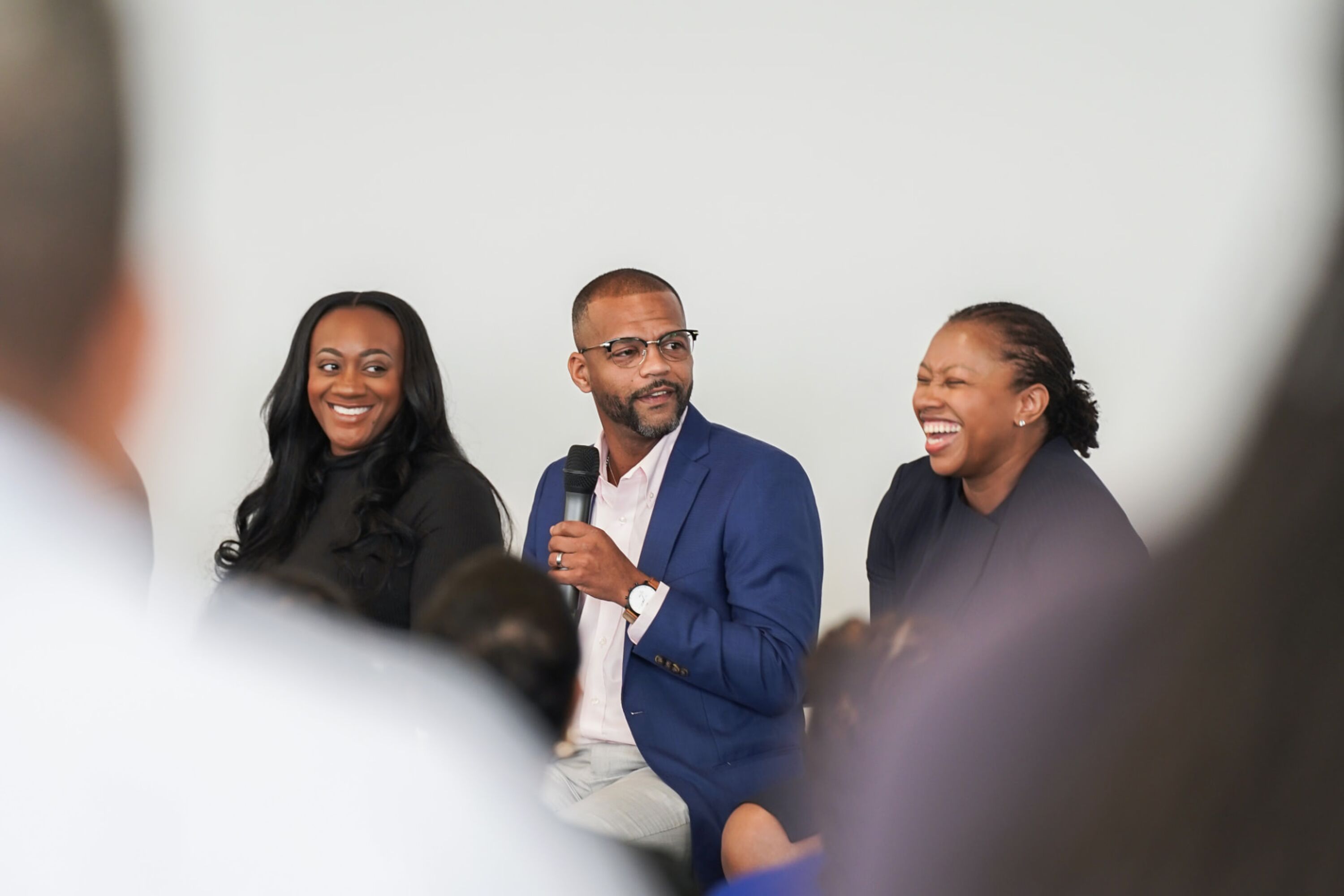
Speaker photographs without audience context can make a busy conference look empty. Wide room views establish scale. Audience reactions, note-taking, questions, and applause show that people were present and engaged.
Document branding and sponsors
Photograph signage, stage screens, sponsor booths, products, and activations while people are using them. A logo by itself proves that a sign existed. A logo beside a full room or active booth shows how the sponsorship appeared at the event.
Do not miss the connecting moments
Arrival, registration, hallway conversations, meals, and networking breaks often produce the most useful people photographs. Build time for them instead of treating every minute between sessions as travel time.
A simple test for the shot list
For every requested photograph, ask who will use it and where. If the answer is unclear, it may be filler. If a team has a known need and no planned photograph covers it, add that need to the brief.
Four things to settle before the day
- The five moments that cannot be missed
- The people who must be identified by name
- The sponsors and signage that were promised coverage
- Which photos are needed first, and by when
If nobody can answer those four, the shot list is not finished yet.
Related guide: Why Consistent Event Photography Matters All Year.
Related guide: What Companies Actually Use Event Photos For.
Related service: corporate event coverage.