Conferences
How to Plan Photography and Video for a Multi-Day Conference
Plan multi-day conference photography and video around concurrent sessions, venue movement, speakers, sponsors, interviews, and delivery deadlines.
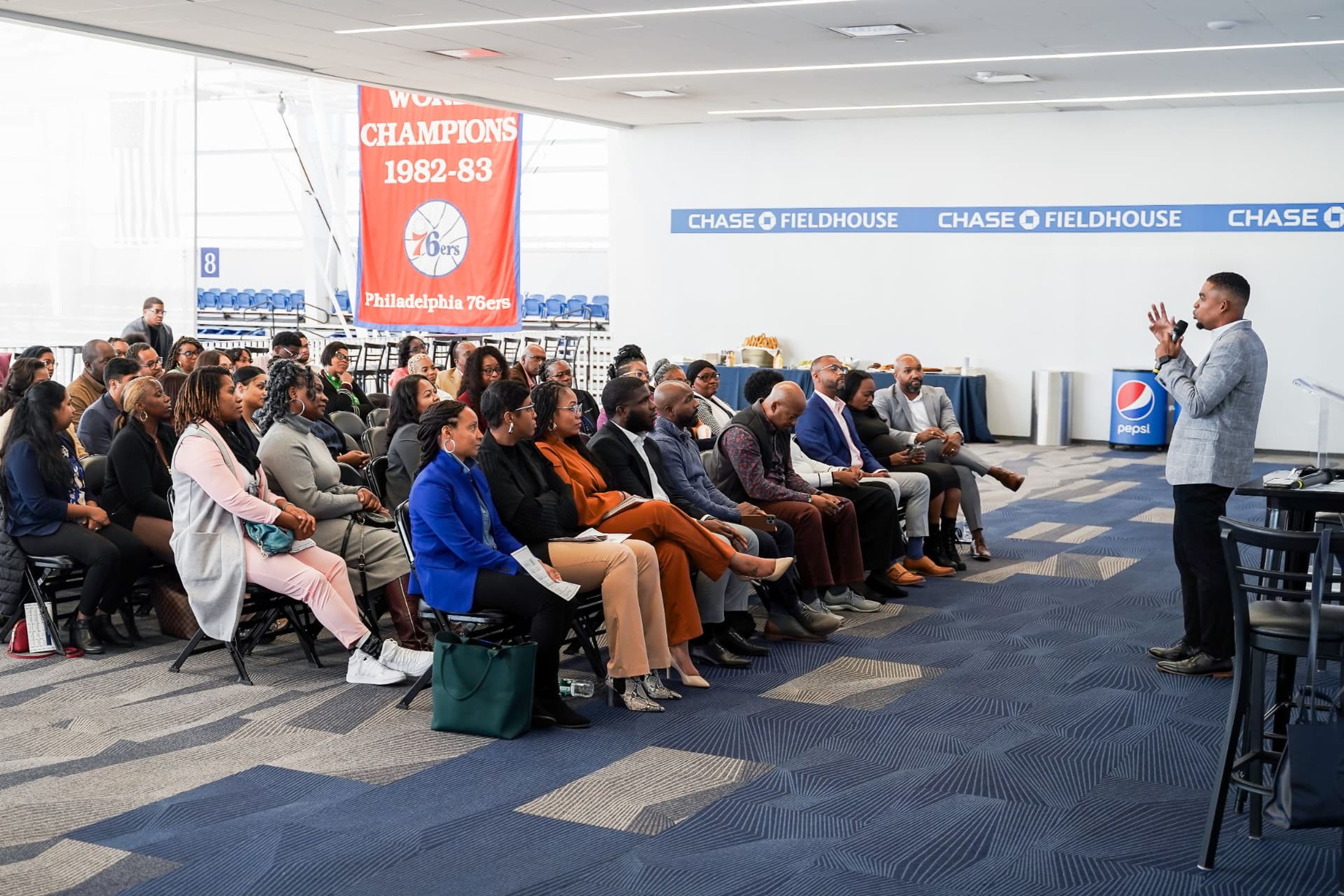
A three-day conference is not one shoot repeated three times. Priorities, lighting, and energy change by day, and coverage planned as a single block tends to over-shoot the opening and miss the closing session entirely.
Mark the run of show
Label every session as required, useful, or optional. Then mark every overlap. This shows where one photographer can move between rooms and where two important moments happen at the same time.
Account for the venue
Rooms on different floors, long convention-center corridors, security checkpoints, and restricted backstage areas change what is possible. Add walking and access time to the plan instead of treating it as open coverage time.
List the people and partners who matter
Provide speaker names, leadership priorities, sponsor deliverables, award recipients, and a contact who can identify people. The public agenda rarely contains every required photograph.
- Named speakers and executives
- Sponsors and activation owners
- Honorees and award recipients
- People who should not be photographed
Plan photo and video as one production
Agree on camera positions for keynotes, where interviews will happen, and when the stage is available for clean photographs. Shared planning keeps both teams from blocking each other or asking the same executive for time twice.
Set delivery milestones before day one
Same-day selects, overnight speaker photographs, daily sponsor folders, and the final gallery require different workflows. State the deadlines in the brief so editing time and file transfer are part of the schedule.
Review the busiest hour
Look at the busiest hour of the busiest day. Write down every room, person, sponsor, and deliverable someone will request later. If one person cannot physically cover it, adjust priorities or expand the team.
Plan it one day at a time
For each day, write down the rooms running at the same time, the first files needed that night, and who from your staff can point out the people who matter. Then check whether one team can physically move between those rooms in the time the schedule allows.
Related guide: How Many Photographers Does a Conference Need?.
Related guide: Why Conference Organizers Need More Than Speaker Photos.
Related service: conference photography and video.